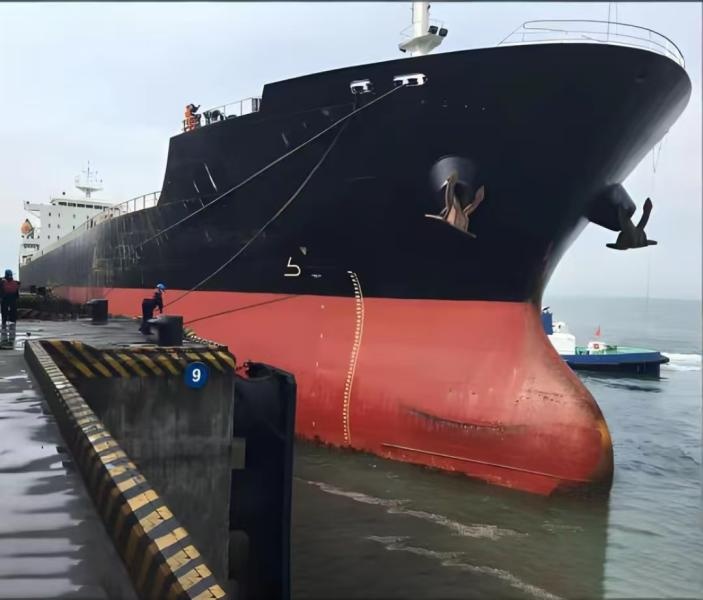
ZoomSend places Handysize through Ultramax tonnage across the Mediterranean, Black Sea, Red Sea, and West Coast India — matched by a broker who picks up the phone, not a platform.
A shipbroker sits between two parties who don't yet trust each other: a charterer with cargo and nowhere to put it, and an owner with a vessel and no cargo to fill it. Neither side has full visibility into the other's market. The broker's job is to close that gap — sourcing tonnage, sourcing cargo, and negotiating a charter party both sides can live with.
It's an old trade, running on relationships built over years and confirmed by reputation rather than credentials. A broker's value isn't a database — it's judgment: knowing which owner will actually perform on a tight laycan, which charterer pays on time, and what a rate really means once bunkers, port costs, and weather risk are priced in.
Dry bulk in particular moves the raw materials the rest of the economy depends on — grain, ores, minerals, fertilizer — on vessels that don't run fixed schedules. Every fixture is negotiated fresh, against a freight market that can move meaningfully in a single day. That's the environment ZoomSend operates in.
Cargo and counterparty details move on a need-to-know basis — before, during, and after the fixture closes.
Rates are tracked against Baltic indices and regional freight movement, not quoted from memory.
You speak to the person executing your fixture — no account managers, no ticket queue.
Core Operational Focus & Target Tonnage
Meet the team behind ZoomSend and the principles driving every fixture.
Live Market Desk
Welcome to ZoomSend Global Trade Desk. I can assist you with our vessel tonnage, trade routes, or direct contact details.
How can I help you today?